

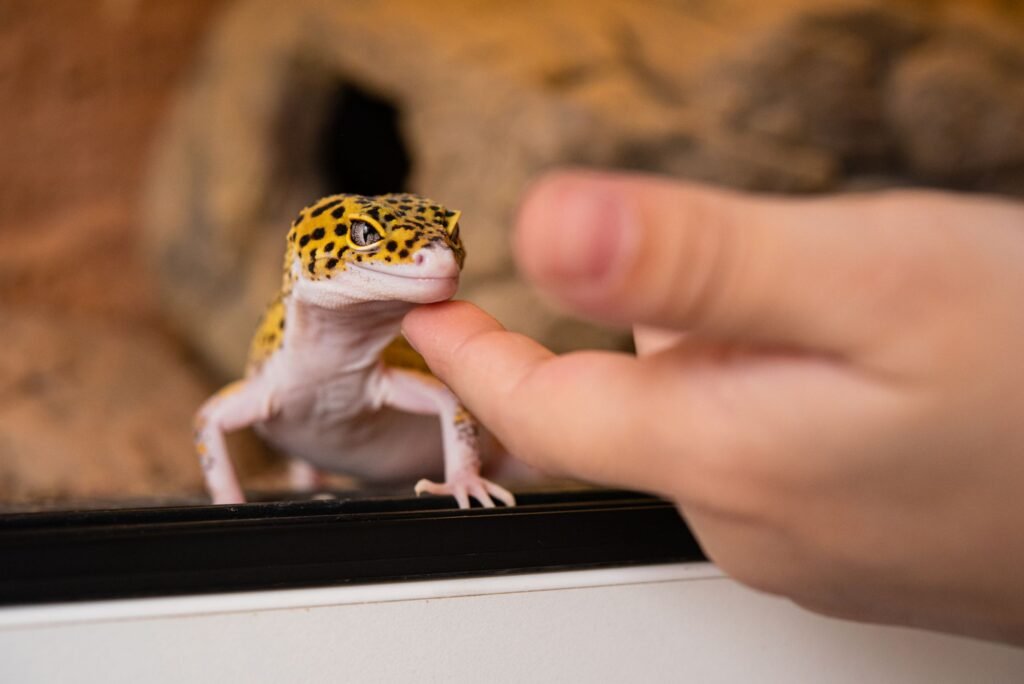

If you’re thinking about getting a pet lizard, you’re not alone.
Over the last few years, reptiles have become one of the fastest-growing pet categories. More people are discovering that lizards can be fascinating, low-noise, and rewarding companions. Unlike dogs that need daily walks or cats that demand constant attention, many lizards are content spending their day basking, exploring their enclosure, and interacting with their owners on their own terms.
But here’s something many first-time reptile owners don’t realize:
Not every lizard makes a good pet.
Some species are calm, easy to care for, and perfect for beginners. Others require large enclosures, specialized diets, and years of reptile-keeping experience. Choosing the wrong species can quickly turn an exciting new hobby into a stressful experience.
That’s why it’s important to do your research before bringing one home.
In this guide, we’ll look at the best lizards for pets, compare their care requirements, and help you find the species that fits your lifestyle, experience level, and available space.
Whether you’re looking for your first reptile or adding another member to your collection, this list will help you make a confident decision.
Things to Know Before Choosing a Pet Lizard
Before we jump into specific species, let’s talk about a few things every future lizard owner should know.
Lizards Are Long-Term Pets
Many people assume reptiles have short lifespans.
In reality, some pet lizards can live for decades with proper care.
A leopard gecko may live 15 to 20 years.
A bearded dragon often reaches 10 to 15 years.
Some larger species can live even longer.
Before buying a lizard, ask yourself whether you’re prepared for that commitment.
Every Species Has Different Care Needs
One of the biggest mistakes beginners make is assuming all reptiles need the same setup.
They don’t.
A desert species like a bearded dragon requires different temperatures, lighting, and humidity levels than a tropical species like a crested gecko.
The more you understand a species before bringing it home, the more successful you’ll be as an owner.
Initial Setup Costs Can Be Higher Than Expected
The lizard itself is often the cheapest part of ownership.
You’ll also need:
- An enclosure
- Heating equipment
- UVB lighting (for many species)
- Thermometers
- Hides
- Food dishes
- Substrate
- Decorations
Investing in the proper setup from the beginning helps prevent health issues later.
Some Lizards Enjoy Handling More Than Others
If you want a pet you can regularly interact with, choose carefully.
Certain species tolerate handling extremely well.
Others become stressed when touched and are best appreciated from a distance.
Knowing your expectations beforehand can help you find the perfect match.
Quick Comparison of the Best Lizards for Pets
| Lizard | Beginner Friendly | Handling | Lifespan |
|---|---|---|---|
| Bearded Dragon | Excellent | Excellent | 10-15 Years |
| Leopard Gecko | Excellent | Excellent | 15-20 Years |
| Crested Gecko | Excellent | Good | 10-20 Years |
| Blue-Tongued Skink | Good | Excellent | 15-20 Years |
| African Fat-Tailed Gecko | Excellent | Good | 15-20 Years |
| Gargoyle Gecko | Good | Good | 15-20 Years |
| Uromastyx | Moderate | Good | 15+ Years |
| Rankin’s Dragon | Excellent | Excellent | 8-12 Years |
| Green Anole | Moderate | Limited | 4-8 Years |
| Ackie Monitor | Advanced | Good | 15-20 Years |
1. Bearded Dragon — Best Overall Pet Lizard
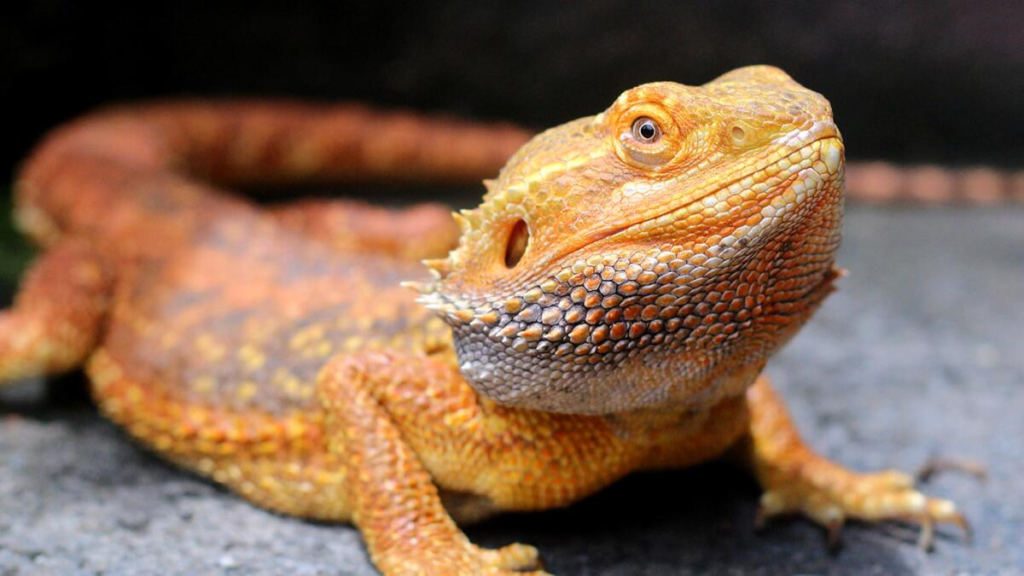
The bearded dragon is often considered the gold standard for beginner reptile ownership.
Native to Australia, these reptiles are known for their calm personality, curious behavior, and willingness to interact with people. Adults typically grow between 18 and 24 inches long and can live 10 to 15 years with proper care.
They’re active during the day, making them easier to observe and enjoy compared to many nocturnal reptiles.
Whenever someone asks me which lizard they should get as their first reptile, the bearded dragon is usually one of the first species I mention.
What makes them stand out isn’t just their appearance. It’s their personality.
Many owners describe them as one of the most interactive reptiles available. They’re often curious about what’s happening around them and tend to tolerate handling much better than many other species.
Of course, they aren’t maintenance-free. Proper UVB lighting, heating, and a balanced diet are essential.
But for most people, the rewards far outweigh the effort.
Care Snapshot
- Difficulty: Easy
- Adult Size: 18–24 inches
- Lifespan: 10–15 years
- Diet: Insects and vegetables
- Handling: Excellent
Pros
✅ Friendly and calm temperament
✅ Great for beginners
✅ Active during the day
✅ Tolerates handling very well
✅ Large support community
Cons
❌ Requires a larger enclosure
❌ UVB lighting is essential
❌ Eats live insects
❌ Setup costs can be high
Best For
First-time reptile owners who want an interactive pet.
If you’re looking for the best overall pet lizard, it’s hard to go wrong with a bearded dragon.
Rating: 9.5/10
2. Leopard Gecko — Best Beginner Lizard
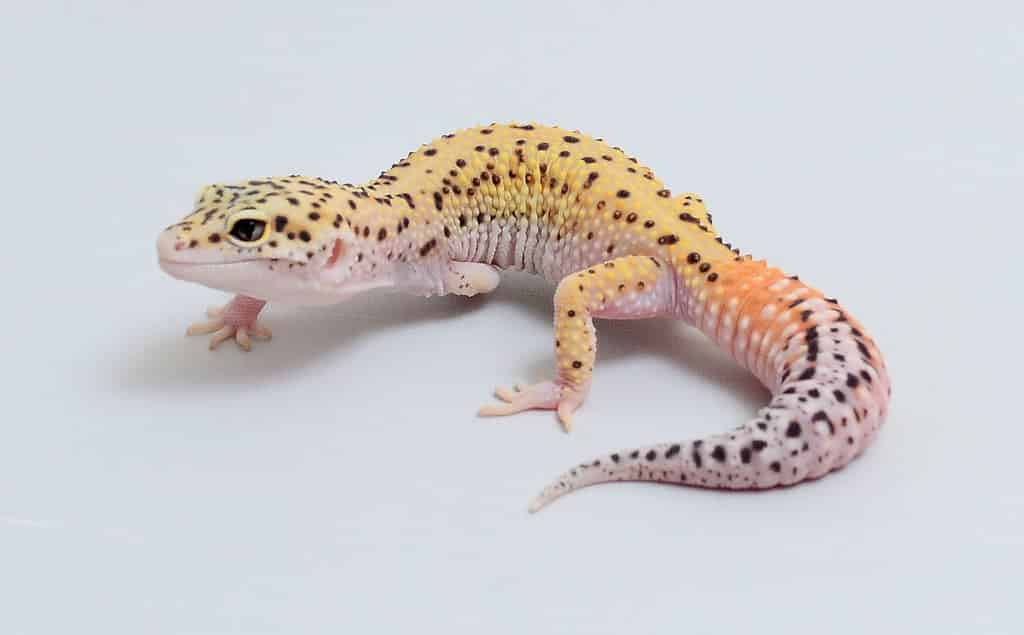
Leopard geckos have been one of the most popular pet reptiles for decades.
They’re small, easy to care for, and available in countless beautiful color patterns known as morphs.
Adults usually reach 7 to 10 inches in length and can live up to 20 years.
Leopard geckos are often recommended to beginners because they’re forgiving.
Unlike many reptiles, they don’t require complicated humidity levels or large enclosures.
They’re generally calm, easy to feed, and simple to maintain.
If you’re nervous about caring for your first reptile, this species offers one of the smoothest introductions to the hobby.
Care Snapshot
- Difficulty: Easy
- Adult Size: 7–10 inches
- Lifespan: 15–20 years
- Diet: Insects
- Handling: Very Good
Pros
✅ Extremely beginner friendly
✅ Small enclosure requirements
✅ Long lifespan
✅ Gentle temperament
✅ Affordable setup
Cons
❌ Mostly active at night
❌ Requires live insects
❌ Less interactive than bearded dragons
❌ Tail can drop when stressed
Best For
People looking for a low-risk first reptile.
One of the easiest and most reliable pet lizards available.
Rating: 9.4/10
3. Crested Gecko — Best Low-Maintenance Lizard
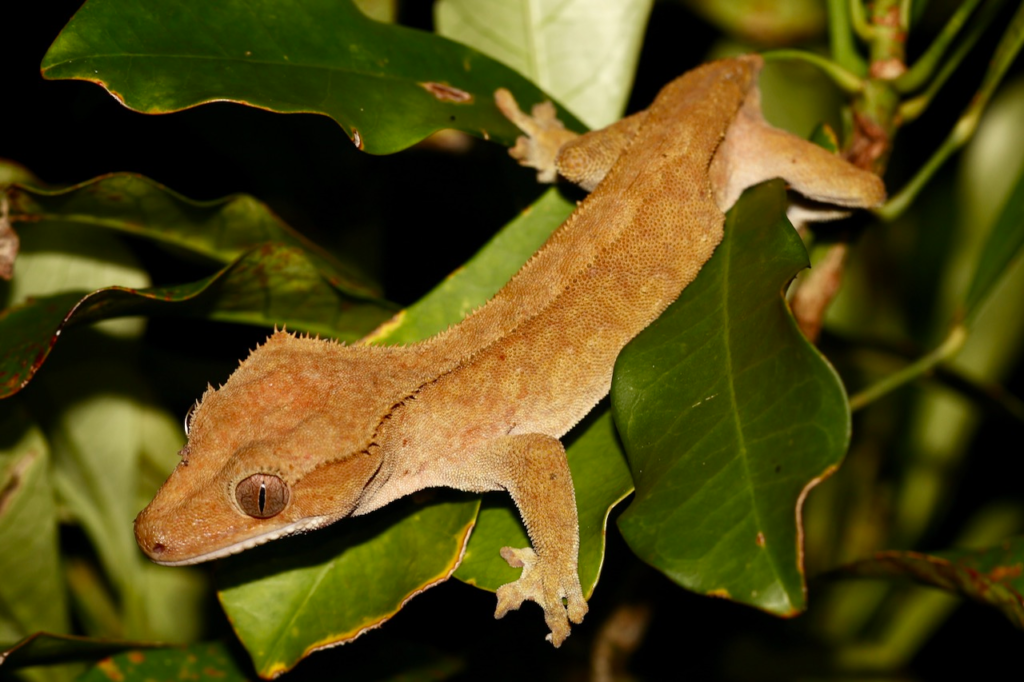
Originally from New Caledonia, crested geckos have become one of the most popular pet reptiles in the world.
They’re known for their distinctive eyelashes, climbing ability, and relatively simple care requirements.
Most adults reach 8 to 10 inches in length.
One reason so many people choose crested geckos is convenience.
Unlike many reptiles, they can thrive on commercially prepared gecko diets mixed with water.
That means less reliance on live insects and a simpler feeding routine.
They’re also entertaining to watch as they climb, jump, and explore their enclosure during the evening.
Care Snapshot
- Difficulty: Easy
- Adult Size: 8–10 inches
- Lifespan: 10–20 years
- Diet: Prepared gecko diet and insects
- Handling: Good
Pros
✅ Beginner friendly
✅ Easy feeding routine
✅ Doesn’t require intense heating
✅ Great for apartments
✅ Unique appearance
Cons
❌ Can jump unexpectedly
❌ Mostly active at night
❌ Requires humidity management
❌ More fragile than larger species
Best For
Owners looking for a low-maintenance reptile.
A fantastic choice for people who want a unique pet without complicated care requirements.
Rating: 9.2/10
4. Blue-Tongued Skink — Best for Handling
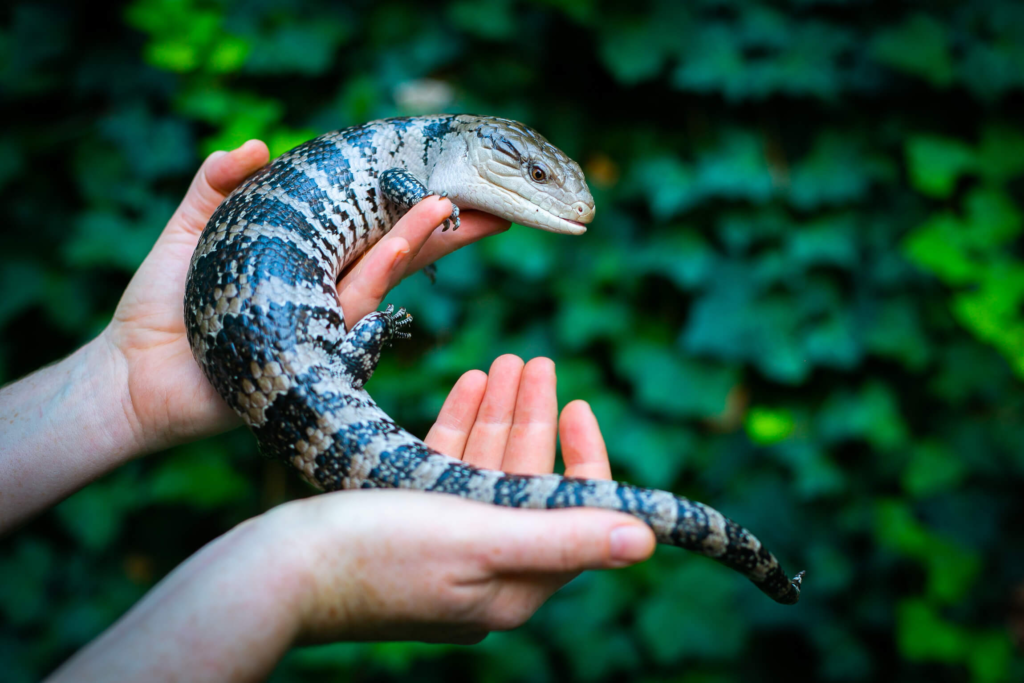
Blue-tongued skinks are large, heavy-bodied lizards famous for their bright blue tongue and calm nature.
These reptiles typically reach 18 to 24 inches in length and can live 15 to 20 years.
Their puppy-like reputation has made them a favorite among reptile enthusiasts.
If handling is one of your top priorities, few reptiles can compete with a healthy, well-socialized blue-tongued skink.
Many owners describe them as curious, confident, and easy-going.
Unlike some smaller reptiles that can be nervous or skittish, blue-tongued skinks often appear comfortable around people.
They do require more space than geckos and can cost more upfront, but many owners consider them worth every penny.
Care Snapshot
- Difficulty: Moderate
- Adult Size: 18–24 inches
- Lifespan: 15–20 years
- Diet: Omnivore
- Handling: Excellent
Pros
✅ Excellent handling tolerance
✅ Calm temperament
✅ Long lifespan
✅ Unique appearance
✅ Omnivorous diet
Cons
❌ Larger enclosure needed
❌ Higher purchase price
❌ Requires more space
❌ Can be difficult to find locally
Best For
Owners who want a larger and more interactive reptile.
If you enjoy handling your pets, a blue-tongued skink is one of the most rewarding reptile companions available.
Rating: 9.3/10
5. African Fat-Tailed Gecko — Best Alternative to a Leopard Gecko
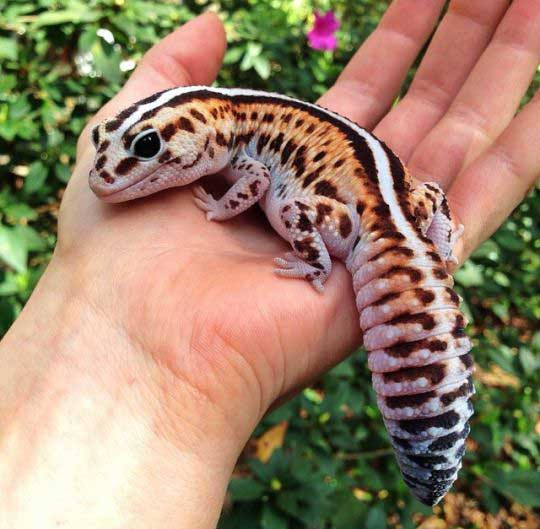
At first glance, African fat-tailed geckos look very similar to leopard geckos.
Both species have a stocky body, large eyes, and a thick tail used for storing fat reserves. However, African fat-tailed geckos come from the humid regions of West Africa, which means their enclosure requirements differ slightly from their desert-dwelling cousins.
Adults typically grow between 7 and 9 inches long and can live 15 to 20 years with proper care.
While they aren’t as common as leopard geckos, many experienced keepers consider them one of the most underrated pet lizards available today.
If leopard geckos are the outgoing, popular kids of the reptile world, African fat-tailed geckos are their quieter cousins.
They tend to be slightly calmer, more laid-back, and less active. Many owners appreciate this relaxed personality, especially when handling them.
One thing I often hear from keepers is how gentle these geckos are once they become comfortable in their environment.
The only downside is availability. Depending on where you live, finding a healthy African fat-tailed gecko may take more effort than finding a leopard gecko.
Still, if you want a beginner-friendly reptile with a calm temperament, this species deserves serious consideration.
Care Snapshot
- Difficulty: Easy
- Adult Size: 7–9 inches
- Lifespan: 15–20 years
- Diet: Insects
- Handling: Good
Pros
✅ Beginner friendly
✅ Calm personality
✅ Easy care requirements
✅ Long lifespan
✅ Great handling potential
Cons
❌ Less available than leopard geckos
❌ Requires higher humidity
❌ Smaller breeder network
❌ Limited morph variety compared to leopard geckos
Best For
People who want a calm, easy-to-care-for reptile that isn’t as common as a leopard gecko.
An excellent beginner reptile that often doesn’t receive the attention it deserves.
Rating: 9.0/10
6. Gargoyle Gecko — Best Unique-Looking Gecko
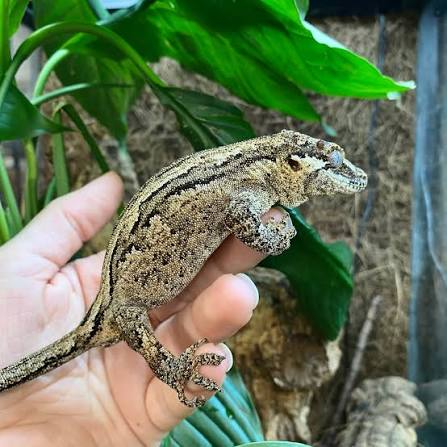
Named after the horn-like bumps on their head, gargoyle geckos are one of the most distinctive-looking pet reptiles available.
Native to New Caledonia, they are closely related to crested geckos and share many of the same care requirements.
Most adults reach around 8 to 10 inches in length and can live 15 to 20 years when properly cared for.
Their ability to change color intensity throughout the day adds another layer of fascination for reptile enthusiasts.
Gargoyle geckos are one of those reptiles that seem to become more popular every year.
At first, people are drawn to their appearance.
Then they discover how hardy and beginner-friendly they can be.
Compared to some geckos, gargoyle geckos tend to tolerate handling slightly better and are generally considered durable reptiles.
They’re active, entertaining to watch, and don’t require overly complicated care.
If you’re looking for something a little more unusual than a crested gecko, this species may be exactly what you’re looking for.
Care Snapshot
- Difficulty: Easy to Moderate
- Adult Size: 8–10 inches
- Lifespan: 15–20 years
- Diet: Prepared gecko diet and insects
- Handling: Good
Pros
✅ Unique appearance
✅ Hardy species
✅ Beginner friendly
✅ Long lifespan
✅ Doesn’t require excessive heating
Cons
❌ More expensive than crested geckos
❌ Requires humidity management
❌ Mostly nocturnal
❌ Can jump unexpectedly
Best For
Owners looking for a unique gecko with manageable care requirements.
A fantastic option for anyone who wants a pet reptile that stands out from the crowd.
Rating: 9.1/10
7. Uromastyx — Best Herbivorous Pet Lizard
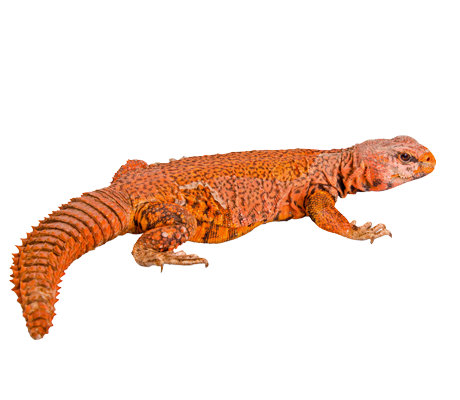
Uromastyx are desert-dwelling lizards known for their colorful appearance, spiny tails, and plant-based diet.
Depending on the species, adults can grow anywhere from 10 to 18 inches long and often live 15 years or longer.
Unlike many pet reptiles, uromastyx rely primarily on vegetables, greens, seeds, and legumes rather than insects.
For many owners, this is one of their biggest advantages.
One reason people avoid reptiles is the idea of keeping crickets or other feeder insects in their home.
That’s where uromastyx become especially appealing.
Their herbivorous diet simplifies feeding and eliminates the need for live insect colonies.
They’re also incredibly beautiful reptiles. Many species display bright shades of yellow, orange, blue, or red.
The challenge is that uromastyx require very high basking temperatures and a carefully designed habitat.
They aren’t necessarily difficult to care for, but they do require more preparation than some beginner species.
Care Snapshot
- Difficulty: Moderate
- Adult Size: 10–18 inches
- Lifespan: 15+ years
- Diet: Vegetables, greens, seeds
- Handling: Good
Pros
✅ No live insects required
✅ Beautiful colors
✅ Long lifespan
✅ Active during the day
✅ Unique behavior
Cons
❌ Requires high temperatures
❌ Initial setup can be expensive
❌ Not ideal for complete beginners
❌ Sensitive to improper humidity levels
Best For
Owners who want a reptile but prefer not to feed insects.
One of the best choices for people looking for a colorful, active, herbivorous pet lizard.
Rating: 8.9/10
8. Rankin’s Dragon — Best Small Alternative to a Bearded Dragon
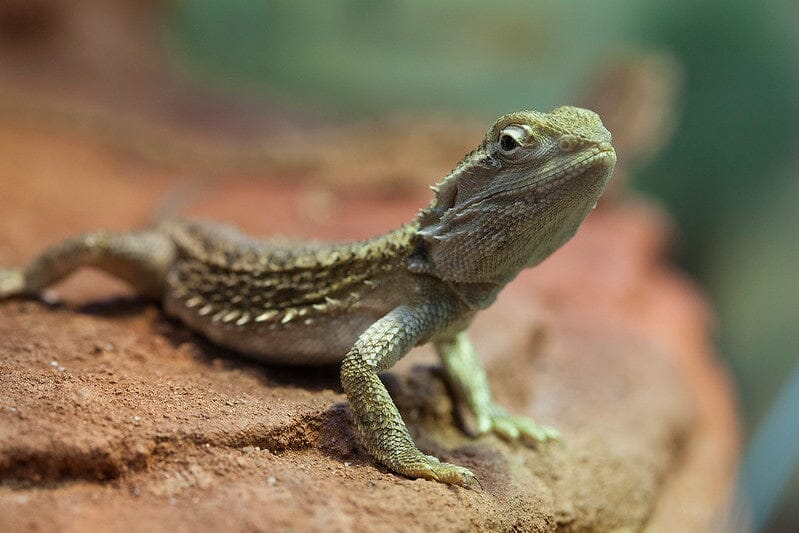
Rankin’s dragons are often described as miniature bearded dragons.
Native to Australia, they share many personality traits with bearded dragons but remain significantly smaller, usually reaching only 10 to 12 inches in length.
Their manageable size and friendly nature have made them increasingly popular among reptile enthusiasts.
Not everyone has room for a full-sized bearded dragon enclosure.
That’s where Rankin’s dragons shine.
They offer many of the same benefits people love about bearded dragons—curiosity, confidence, and handling tolerance—while requiring less space.
Owners often describe them as active, entertaining, and surprisingly social for a reptile.
While they’re not as widely available as bearded dragons, they’re worth considering if space is limited.
Care Snapshot
- Difficulty: Easy
- Adult Size: 10–12 inches
- Lifespan: 8–12 years
- Diet: Insects and vegetables
- Handling: Excellent
Pros
✅ Friendly temperament
✅ Smaller enclosure requirements
✅ Beginner friendly
✅ Active during the day
✅ Great handling potential
Cons
❌ Less common than bearded dragons
❌ Requires UVB lighting
❌ Can be difficult to find
❌ Shorter lifespan than some alternatives
Best For
People who love bearded dragons but need a smaller pet.
A wonderful choice for reptile owners who want a friendly and interactive lizard without the size of a full-grown bearded dragon.
Rating: 9.1/10
9. Green Anole — Best Display Pet Lizard
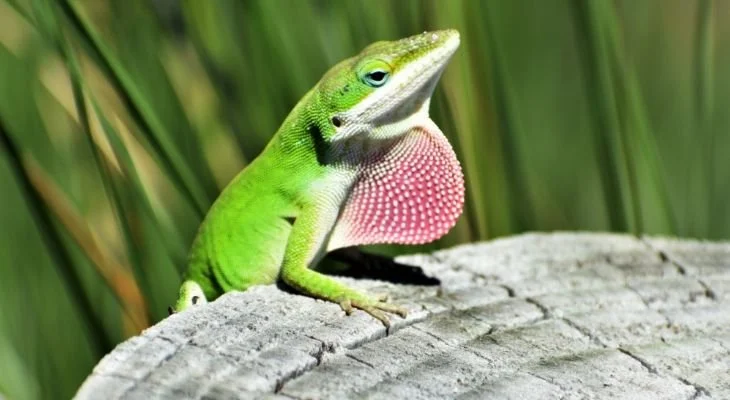
Green anoles are among the most commonly available pet lizards in North America.
Known for their bright green coloration and ability to change shades depending on mood, temperature, and environment, these small reptiles are fascinating to observe.
Adults typically reach 5 to 8 inches in length and live around 4 to 8 years with proper care.
Because of their active nature and relatively low cost, green anoles are often purchased by beginners. However, they aren’t always the best choice for people who want a hands-on pet.
Green anoles are beautiful little lizards.
Watching them climb branches, hunt insects, and interact with their environment can be incredibly entertaining.
However, many new owners mistakenly expect them to behave like a leopard gecko or bearded dragon.
They don’t.
Green anoles are best appreciated as display pets. While some may tolerate occasional handling, most prefer to be left alone.
If your goal is observing natural reptile behavior rather than frequent interaction, you’ll likely enjoy owning one.
Care Snapshot
- Difficulty: Moderate
- Adult Size: 5–8 inches
- Lifespan: 4–8 years
- Diet: Insects
- Handling: Limited
Pros
✅ Affordable
✅ Beautiful coloration
✅ Active and entertaining
✅ Widely available
✅ Great display pet
Cons
❌ Does not enjoy frequent handling
❌ Shorter lifespan
❌ Requires humidity management
❌ Can become stressed easily
Best For
People who enjoy watching reptiles more than handling them.
A fantastic display species, but not ideal for owners seeking regular interaction.
Rating: 8.3/10
10. Ackie Monitor — Best Advanced Pet Lizard
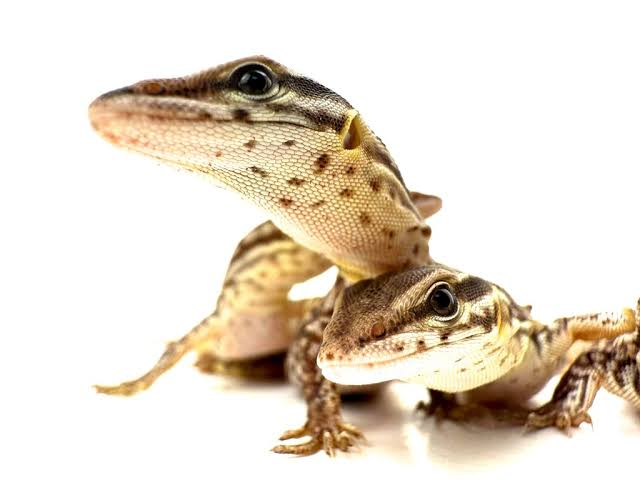
Ackie monitors are often considered one of the best monitor lizards for private ownership.
Native to Australia, they are smaller than many monitor species but still possess the intelligence, curiosity, and activity level that monitors are famous for.
Adults typically grow between 24 and 30 inches long and can live 15 to 20 years.
If intelligence is what you’re looking for, few pet lizards compare to an ackie monitor.
Owners frequently describe them as highly observant and constantly engaged with their environment.
They’re active hunters, enthusiastic diggers, and often learn routines quickly.
However, this intelligence comes with responsibility.
Ackie monitors require large enclosures, advanced husbandry knowledge, and a significant commitment to enrichment.
They are not beginner reptiles.
For experienced keepers, though, they’re often considered one of the most rewarding reptiles available.
Care Snapshot
- Difficulty: Advanced
- Adult Size: 24–30 inches
- Lifespan: 15–20 years
- Diet: Insects and protein-rich foods
- Handling: Good
Pros
✅ Extremely intelligent
✅ Active and engaging
✅ Strong personality
✅ Long lifespan
✅ Rewarding ownership experience
Cons
❌ Not beginner friendly
❌ Large enclosure requirements
❌ Higher ownership costs
❌ Requires advanced care knowledge
Best For
Experienced reptile keepers seeking an intelligent and active companion.
One of the most fascinating pet lizards available, but only for owners prepared for the challenge.
Rating: 9.0/10
11. Chinese Cave Gecko — Best Nocturnal Gecko
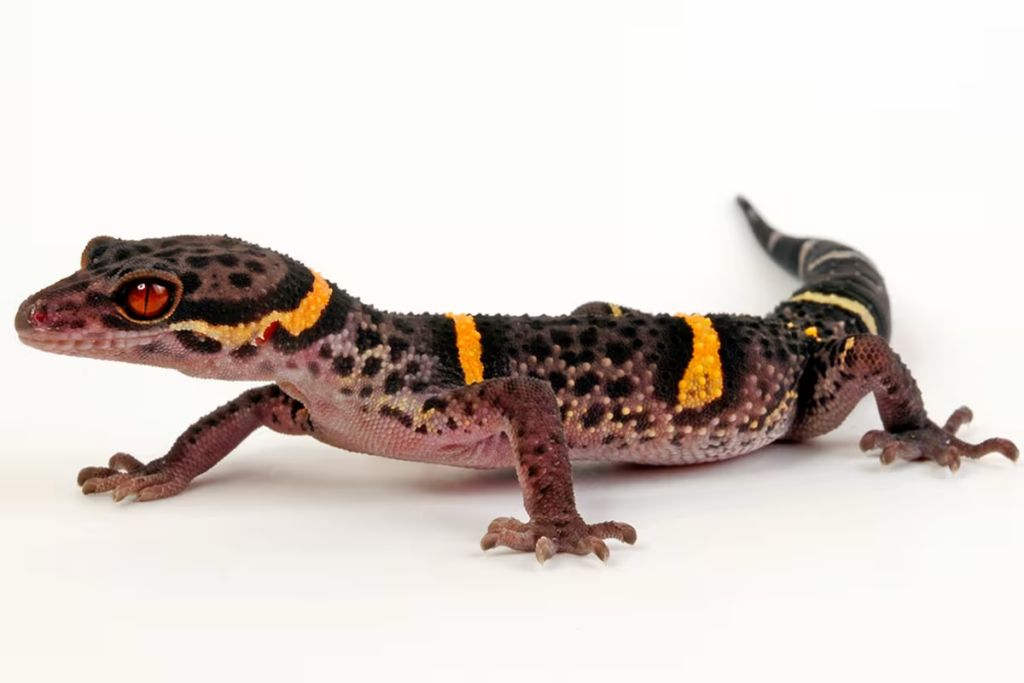
Chinese cave geckos are known for their striking appearance.
Their dark body coloration covered in bright orange or yellow markings makes them look almost unreal.
Native to humid forest environments, these geckos typically reach 8 to 10 inches in length and live around 10 to 15 years.
If appearance is important to you, Chinese cave geckos are difficult to ignore.
They’re among the most beautiful pet geckos available.
Unlike crested geckos that spend much of their time climbing, cave geckos often prefer hiding during the day and becoming active after dark.
This makes them more suitable for people who enjoy observing natural behaviors rather than handling their pets regularly.
Care Snapshot
- Difficulty: Moderate
- Adult Size: 8–10 inches
- Lifespan: 10–15 years
- Diet: Insects
- Handling: Moderate
Pros
✅ Stunning appearance
✅ Relatively easy care
✅ Long lifespan
✅ Interesting nocturnal behavior
✅ Moderate space requirements
Cons
❌ Less tolerant of handling
❌ Mostly active at night
❌ Requires humidity control
❌ Less available than common geckos
Best For
Owners looking for a beautiful display reptile.
One of the most visually impressive geckos in the hobby.
Rating: 8.8/10
12. Schneider’s Skink — Most Underrated Pet Lizard
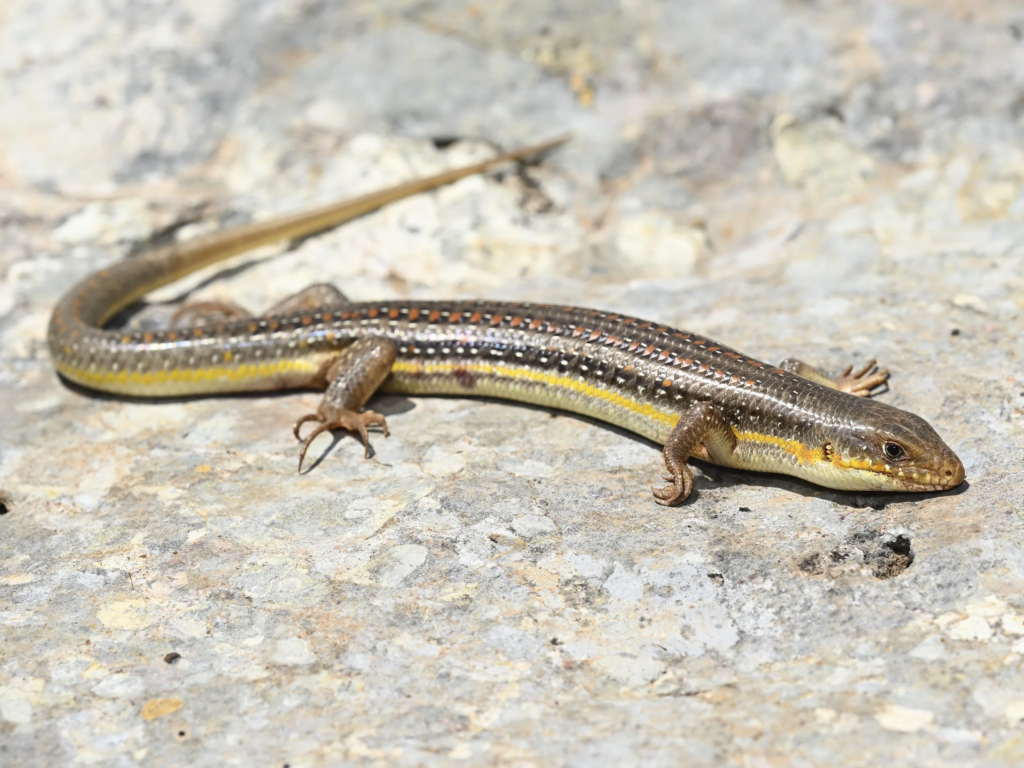
Despite being less famous than bearded dragons or geckos, Schneider’s skinks have quietly built a loyal following among reptile enthusiasts.
Native to North Africa and parts of the Middle East, these reptiles are known for their smooth scales, bright orange markings, and curious personalities.
Adults generally reach 10 to 14 inches in length and can live 15 to 20 years.
Schneider’s skinks are one of those reptiles that owners often discover by accident and then wonder why they aren’t more popular.
Many keepers describe them as active, inquisitive, and surprisingly comfortable around people.
They’re frequently seen exploring their enclosure and investigating anything new placed inside.
While they’re not as commonly available as some beginner species, they often become favorite pets for people who own them.
Care Snapshot
- Difficulty: Moderate
- Adult Size: 10–14 inches
- Lifespan: 15–20 years
- Diet: Insects and vegetables
- Handling: Good
Pros
✅ Curious personality
✅ Beautiful coloration
✅ Active during the day
✅ Long lifespan
✅ Generally handleable
Cons
❌ Less available
❌ Requires larger enclosure than geckos
❌ Limited breeder availability
❌ Moderate setup costs
Best For
Owners seeking something unique but manageable.
An underrated reptile that deserves far more attention from pet owners.
Rating: 8.9/10
Which Pet Lizard Is Right for You?
Choosing the best pet lizard depends on your goals, experience, and available space.
Choose a Bearded Dragon If:
- You want the best all-around pet lizard.
- You enjoy regular handling.
- You want an interactive reptile.
Choose a Leopard Gecko If:
- You’re a complete beginner.
- You want easy care requirements.
- You have limited space.
Choose a Crested Gecko If:
- You want a low-maintenance reptile.
- You prefer prepared diets.
- You enjoy watching climbing behavior.
Choose a Blue-Tongued Skink If:
- Handling is important.
- You want a larger reptile.
- You enjoy interactive pets.
Choose an Ackie Monitor If:
- You already have reptile experience.
- You want a highly intelligent lizard.
- You’re prepared for advanced care requirements.
Buying Guide: How to Choose the Best Pet Lizard
Consider Your Experience Level
Beginners should focus on species known for forgiving care requirements.
Great beginner options include:
- Bearded Dragon
- Leopard Gecko
- Crested Gecko
- African Fat-Tailed Gecko
- Rankin’s Dragon
Think About Space
Not every home can accommodate a large reptile enclosure.
If space is limited, smaller geckos may be a better choice than larger skinks or monitors.
Understand Feeding Requirements
Some reptiles eat insects.
Others require vegetables.
A few thrive on specialized prepared diets.
Choose a feeding routine you’re comfortable maintaining long term.
Research Lifespan
Many reptiles live for decades.
Always choose a species you’re prepared to care for throughout its life.
Frequently Asked Questions
What is the easiest lizard to keep as a pet?
Leopard geckos are widely considered one of the easiest pet lizards for beginners.
What is the friendliest pet lizard?
Bearded dragons are often regarded as the friendliest pet lizards due to their calm and social nature.
What pet lizard likes being handled?
Bearded dragons, blue-tongued skinks, and many leopard geckos tolerate handling very well.
What is the best pet lizard for children?
A bearded dragon or leopard gecko is often the best choice when supervised by an adult.
Which pet lizard requires the least maintenance?
Crested geckos are among the lowest-maintenance reptiles available.
Which pet lizard lives the longest?
Many gecko species and skinks can live 15 to 20 years or more.
Are pet lizards expensive to keep?
The initial setup can be expensive, but ongoing costs vary depending on the species.
Do pet lizards recognize their owners?
While reptiles don’t bond in the same way as dogs or cats, many learn feeding routines and become comfortable around familiar people.
Final Verdict
The best lizards for pets aren’t necessarily the rarest or most expensive species.
They’re the ones that fit your lifestyle.
If I had to recommend just three species for most people, they would be:
🥇 Bearded Dragon — Best Overall
🥈 Leopard Gecko — Best for Beginners
🥉 Crested Gecko — Best Low-Maintenance Choice
For owners looking for something larger and more interactive, a blue-tongued skink is an excellent option.
And for experienced reptile keepers, few reptiles are as rewarding as an ackie monitor.
No matter which species you choose, taking the time to research proper care, housing, and nutrition will help ensure a healthy and rewarding experience for both you and your new reptile companion.